

Monterey Bay, California
Humpback, blue, gray and fin whales and orca · year-round
Species in this destination
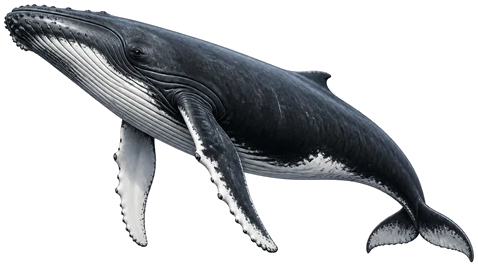


These are the species seen most often. Other whales also appear in this destination, less regularly.
When to go
Sighting probability
The longer the bar, the likelier you are to see whales that month. The dark bar marks the peak of the season.
In short: Monterey Bay has whales almost all year: January is best for gray whales, March to May for orcas, and July to September, with August the best month, for humpback and blue whales.
Monterey Bay, on California's central coast, owes its extraordinary diversity of cetaceans to the Monterey Submarine Canyon, which brings deep, nutrient-rich water very close to shore.
It is one of the few places in the world with sightings almost all year: gray whales migrate past the bay in winter (peaking in mid-January) and spring, while humpback and blue whales dominate summer and autumn, with July to September as the best window, when humpbacks are seen almost daily.
Watching ethics
NOAA sets minimum approach distances within the Monterey Bay National Marine Sanctuary, a federally protected area. Operators based at Monterey's wharf and in Moss Landing follow these rules and usually carry naturalists on board. Avoid any boat that gets closer than allowed or actively chases the animals.
Practical tips
- Book ahead in high season (July–September), when humpbacks are seen almost daily.
- Bring several layers: Pacific wind and fog cool things down quickly, even in summer.
- January is the best window to see the gray whale migration without waiting for summer.
- March–May is the best time to see orcas, which hunt gray whale calves in the bay.
- A 100-400mm zoom: useful both for nearby humpbacks and for the more distant blue whales.
Frequently asked questions
When is the best time for whale watching in Monterey?
It depends on what you want to see: July to September for humpbacks (seen almost daily) and blue whales, with August the best month; January for the gray whale migration.
Are there whales in Monterey in winter?
Yes. Gray whales migrate past the bay in winter, peaking in mid-January, and pass by again in spring.
When can you see orcas in Monterey Bay?
March to May is the best time, when orcas hunt gray whale calves in the bay during the spring migration.
Why are there so many whales in Monterey Bay?
Because of the Monterey submarine canyon, which brings deep, nutrient-rich water very close to shore. The bay is also a National Marine Sanctuary where NOAA regulates approach distances.
What should I bring whale watching in Monterey?
Several layers, as Pacific wind and fog cool things down quickly even in summer, and a 100-400 mm zoom for close humpbacks and more distant blue whales.
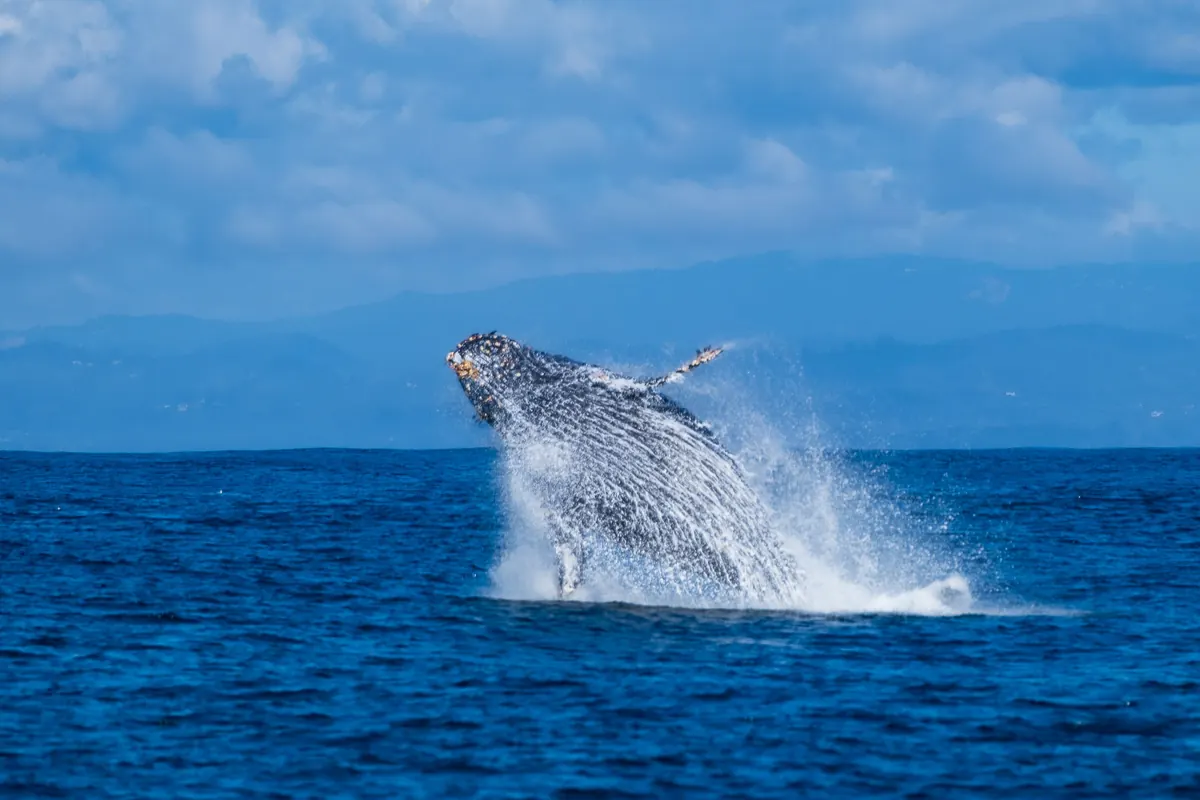
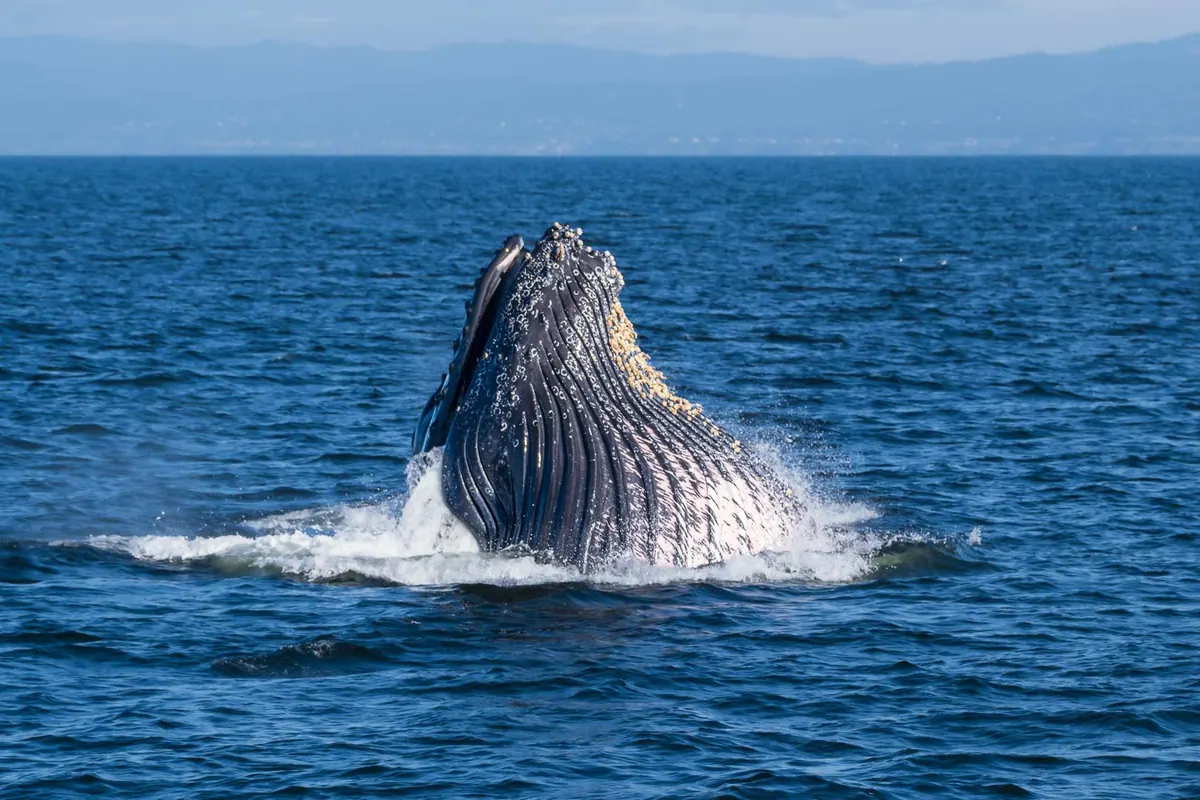
Field photography
Monterey, through our lens.
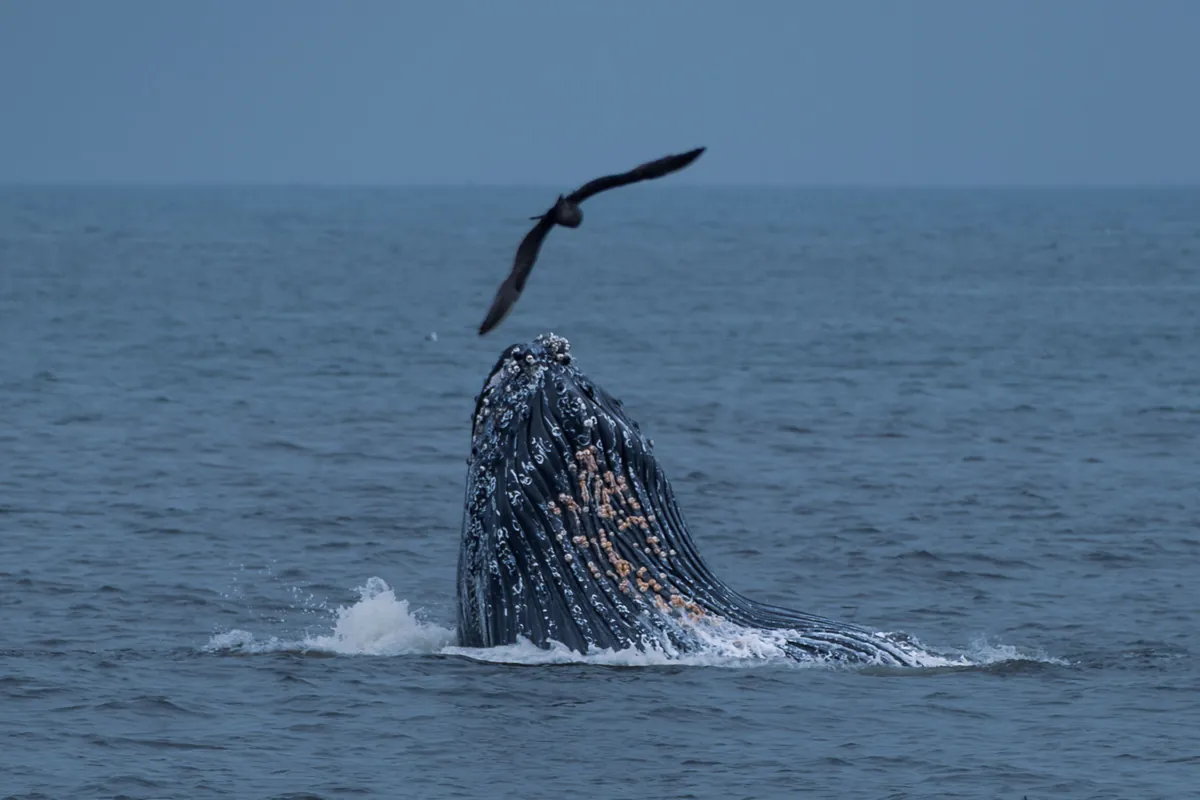
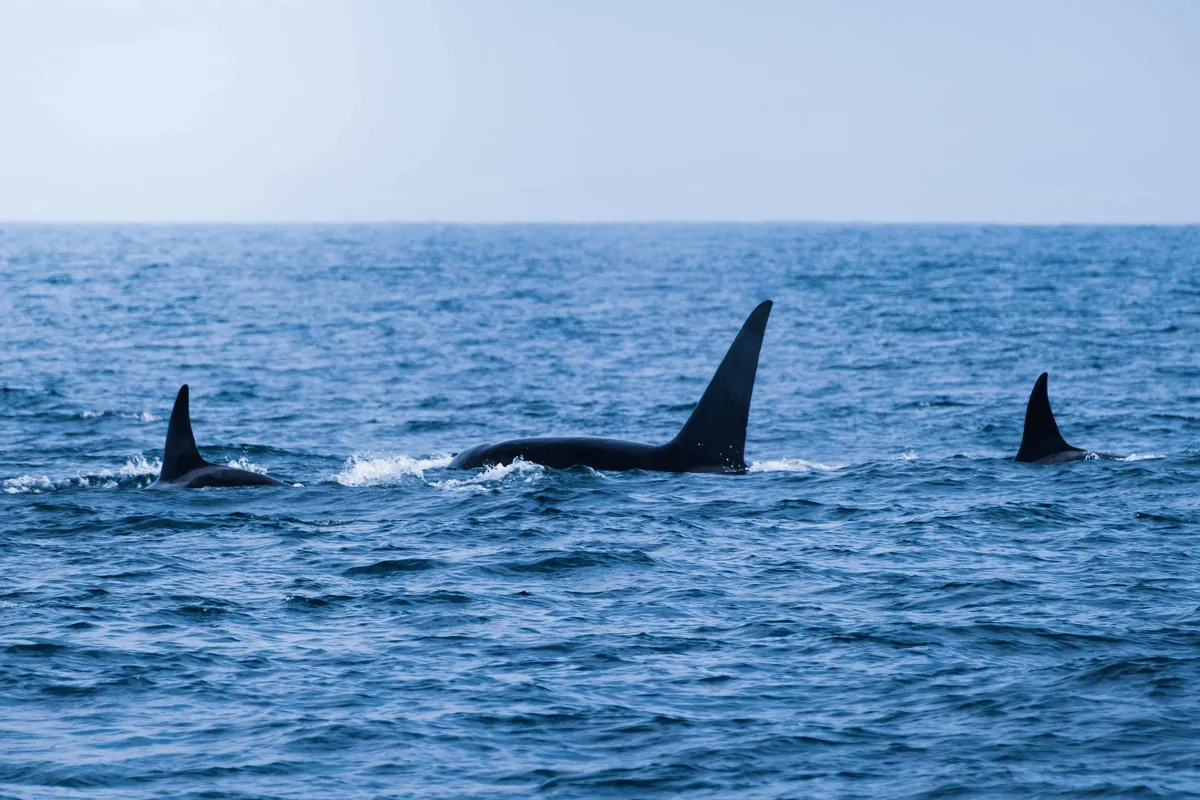
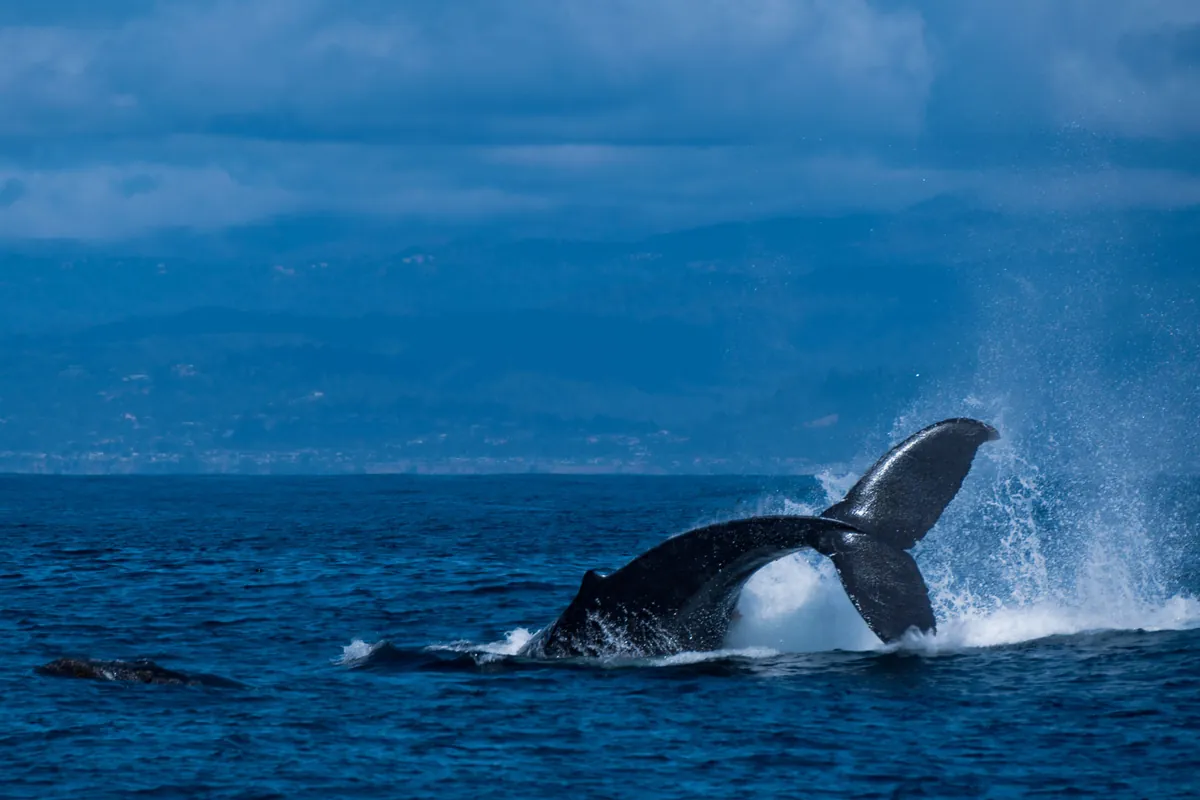
Photographs by José A. Curto, Blowline's co-founder, taken at this destination.
Subscriber information
Everything you need to plan the perfect outing.
- Month-by-month sighting probability, with notes on each period
- Recommended departure points and which traveler profile fits each one
- Verified operators, with information on each one
- Combinable activities in the area
- Full guide downloadable as a PDF, ready to take on your phone
Would you like to see whales in Monterey?
Tell us when and how you'd like to go, and we'll put you in touch with the operators and agencies we recommend.