

Húsavík, Iceland
Humpback, minke and blue whales · April – October
Species in this destination
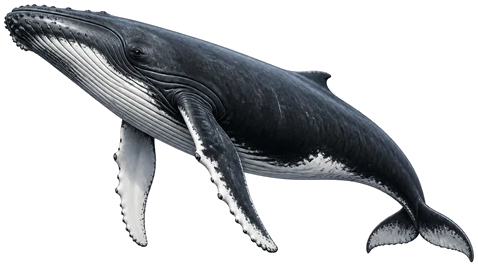


These are the species seen most often. Other whales also appear in this destination, less regularly.
When to go
Sighting probability
The longer the bar, the likelier you are to see whales that month. The dark bar marks the peak of the season.
In short: whale season in Húsavík runs from April to October; May to September is the most reliable window and July the best month.
Húsavík, in the north of Iceland, is known as the “whale-watching capital of Europe”: its bay, Skjálfandi, combines deep water very close to the shore with high nutrient levels, which draws whales more consistently than almost anywhere else in Europe.
Today the humpback is the most frequently seen species throughout the season, together with resident minke whales. Between late spring and summer blue whales also appear, one of the few places in Europe where they can be seen. The season runs from April to October, with May to September as the most reliable window.
Watching ethics
North Sailing, a pioneer of responsible whale watching in Húsavík since 1995, keeps a long-term sightings log used for research. Local operators follow the code of conduct of IceWhale, the Icelandic Whale Watching Association, which sets approach distances and times; avoid any operator that is not a member.
Practical tips
- Book ahead for July–August, the busiest months for tourism in Húsavík.
- Bring technical, waterproof warm clothing: the north of Iceland is chilly even in midsummer.
- North Sailing runs trips on traditional wooden boats; a good option if you want a more authentic experience.
- No time of day gives better odds of a sighting; choose the departure that best fits the rest of your trip.
- A 100-400mm zoom; when blue whales do appear, they are usually further away than the humpbacks.
Frequently asked questions
When is the best time to see whales in Iceland?
In Húsavík, May to September is the most reliable window and July the best month. The full season runs from April to October.
Which whales can you see in Húsavík?
Humpbacks are the most commonly seen all season, along with resident minke whales. From late spring into summer blue whales also appear, one of the few places in Europe where you can see them.
Why is Húsavík called the whale watching capital of Europe?
Because Skjálfandi Bay combines deep water very close to shore with plenty of nutrients, which draws whales more consistently than almost anywhere else in Europe.
What time of day is best for whale watching in Húsavík?
No time of day is more likely than another, so pick whatever fits your trip. In July and August it is worth booking ahead.
How do I choose a responsible whale watching tour in Iceland?
Choose operators that belong to IceWhale, the Icelandic whale watching association, whose code of conduct sets approach distances and times.
Field photography
Iceland, through our lens.
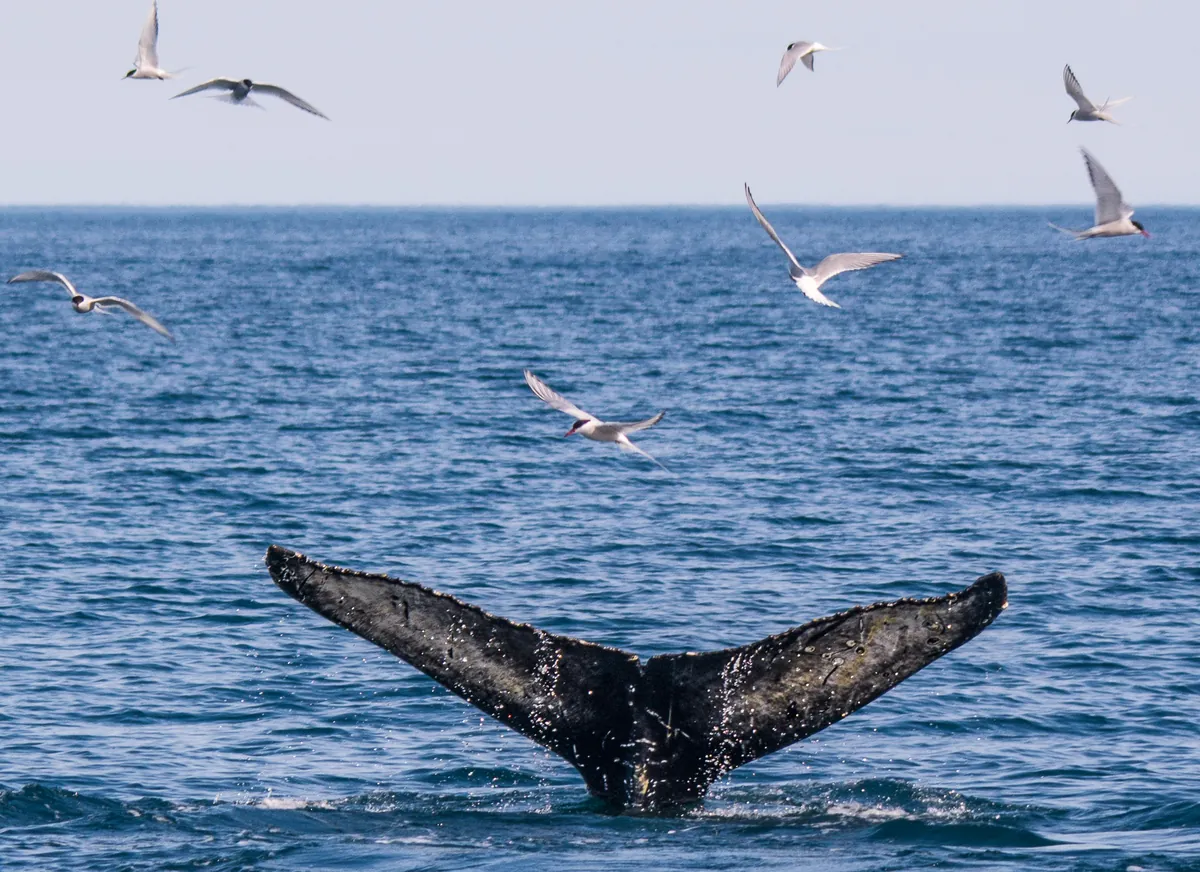
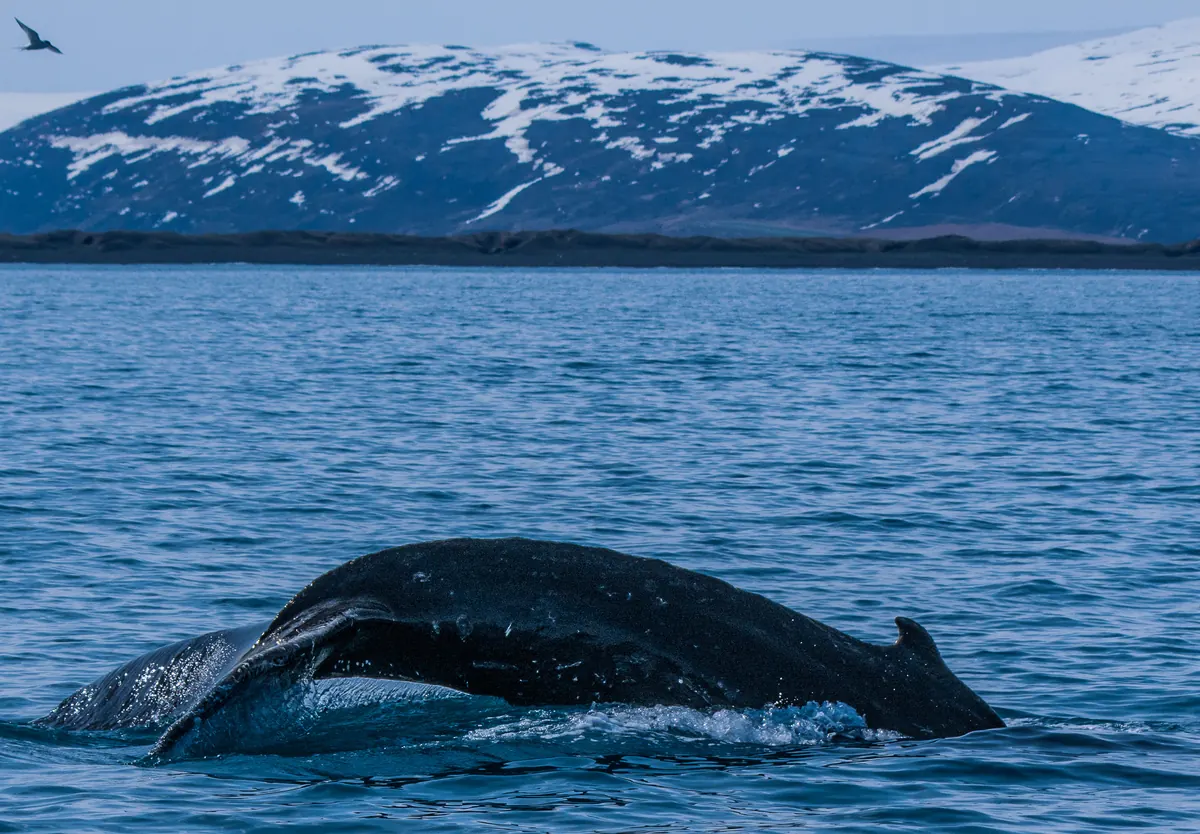
Photographs by José A. Curto, Blowline's co-founder, taken at this destination.


Subscriber information
Everything you need to plan the perfect outing.
- Month-by-month sighting probability, with notes on each period
- Recommended departure points and which traveler profile fits each one
- Verified operators, with information on each one
- Combinable activities in the area
- Full guide downloadable as a PDF, ready to take on your phone
Would you like to see whales in Iceland?
Tell us when and how you'd like to go, and we'll put you in touch with the operators and agencies we recommend.